
The Real Cost of Slow Replies for Local Service Businesses
Slow replies can quietly cost local businesses leads, trust, and appointments. Learn how to measure the revenue impact and improve response time.
Why Response Time Shapes Customer Decisions

For local service businesses, the first reply often matters as much as the service itself. A person searching for a clinic, salon, consultant, or home-service provider may contact several businesses within minutes. The business that responds clearly and quickly is more likely to earn attention, answer questions, and secure the appointment. A delayed response can make a customer assume the business is unavailable, disorganized, or too busy to provide a good experience.
Response time also influences trust before a customer ever arrives. Fast, accurate replies show that a business respects the customer’s time and has a reliable process. Slow or inconsistent follow-up creates uncertainty, especially when the inquiry involves pricing, availability, urgent assistance, or an unfamiliar service. Even a delay of a few hours can reduce lead conversion when customers are ready to act immediately. For small teams, the challenge is rarely a lack of care; it is the difficulty of monitoring WhatsApp, websites, forms, email, and social messages while serving existing customers.
The Hidden Revenue Cost of Delayed Follow-Up
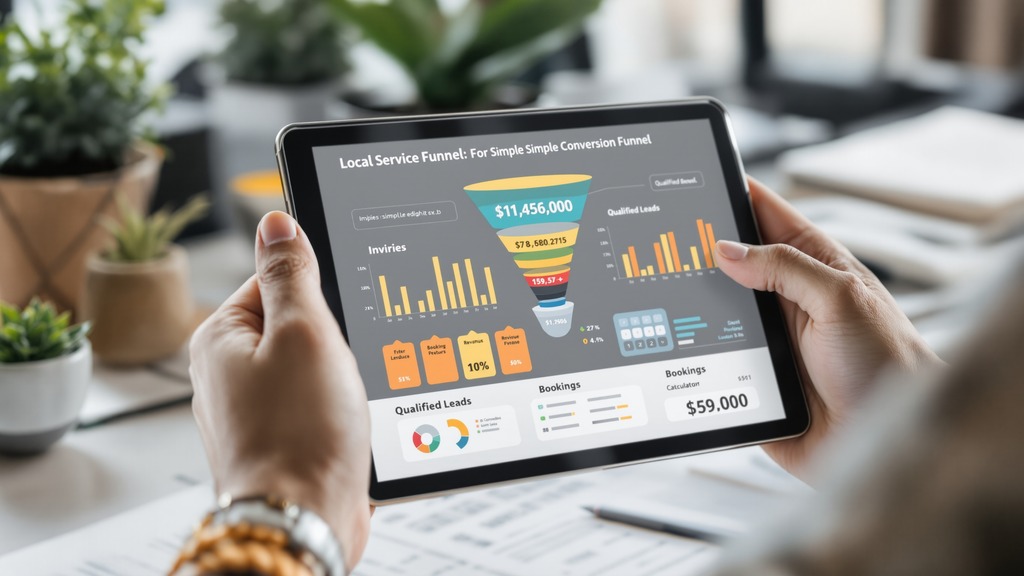
The financial impact of slow replies becomes clearer when businesses connect response time to their sales funnel. Start with the number of inquiries received each month, then measure how many become qualified leads, consultations, or appointments. Compare conversion rates for messages answered within a target window—such as five or fifteen minutes—with those answered later. This reveals whether delayed follow-up is reducing lead conversion rather than merely creating an administrative inconvenience.
A practical estimate is: missed inquiries × expected booking rate × average customer value. For example, if 40 inquiries go unanswered or receive a late response each month, 25% would normally book, and the average completed appointment is worth $120, the potential monthly revenue at risk is $1,200. Businesses should also track cancellations, no-shows, repeat contact attempts, and the percentage of inquiries requiring staff intervention. These measures expose the cost of fragmented customer experience. They can also identify where automation would help most, such as answering approved FAQs, collecting contact details, qualifying intent, or routing high-value prospects to staff.
Building a Faster, More Consistent Customer Experience
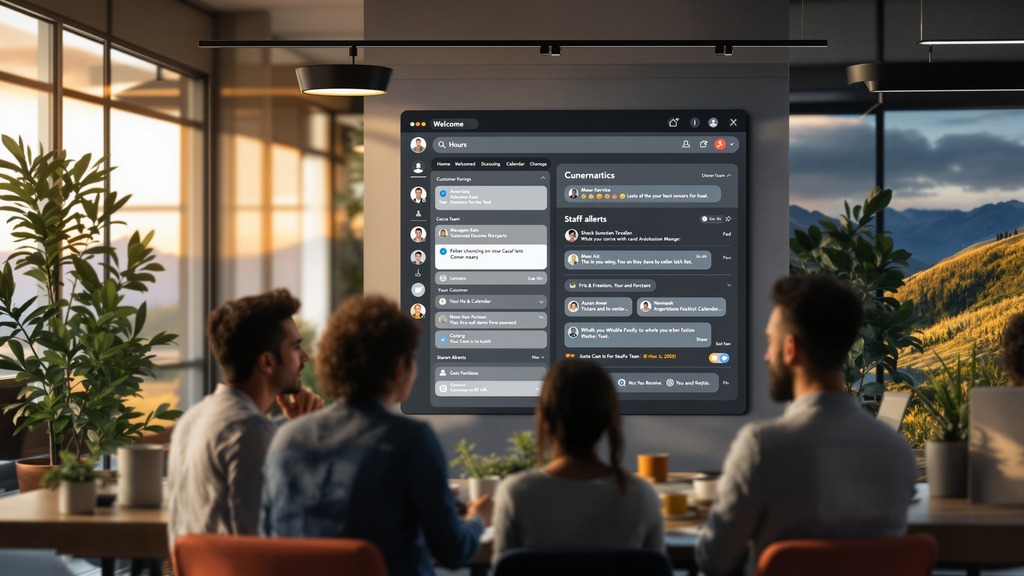
Improving response time does not require every business to hire a full-time support team. Start by defining service standards: which channels are monitored, how quickly new inquiries should receive a reply, and which questions require human review. Create approved answers for common topics such as prices, services, opening hours, locations, preparation instructions, and availability. Then make it easy to capture a customer’s name, contact details, preferred service, and desired time without forcing staff to repeat the same questions.
AI support and workflow automation can handle routine conversations across WhatsApp, websites, forms, and social messaging while escalating uncertain, sensitive, or unusual requests. Connected calendars can reduce back-and-forth by showing available times, confirming bookings, and sending reminders. The goal is not to replace personal service; it is to protect opportunities when staff are busy. Review response time, booking conversion, no-shows, and customer feedback each month. When faster replies are paired with accurate information and thoughtful escalation, local businesses can turn more inquiries into appointments while delivering a more dependable customer experience.